
Prices of natural gas, which is used to produce fertiliser and generate electricity and is also converted into CNG for use in automobiles as fuel and cooking gas for households, are set every six months -- on April 1 and October 1 each year.

Only 80.6 per cent of the Rs 6-trillion allocation has been spent by February, data from the Controller General of Accounts shows.

An empowered group of ministers headed by Defence Minister A K Antony is to consider an Oil Ministry proposal of abolishing the priority ranking later in the day, according to which natural gas is first given to urea manufacturing fertiliser plants, then to LPG units, followed by power plants, city gas, steel and refineries.

Coal, refinery products, electricity and cement production registered a growth of 14.5 per cent, 8.1 per cent, 10.2 per cent and 11.3 per cent, respectively in November, as per the data released by the Commerce and Industry Ministry.

The output had expanded by 4 per cent in March 2014.

The wholesale price-based inflation in February rose to 13.11 per cent on hardening of prices of crude oil and non-food items, even though food articles softened. After two months of mild easing, WPI inflation accelerated in February and remained in double digits for the 11th consecutive month, beginning April 2021. WPI inflation last month was 12.96 per cent, while in February last year, it was 4.83 per cent. The rise in crude oil and natural gas prices after the Russian invasion of Ukraine, beginning February 24, has put pressure on the wholesale price index, even though food articles saw softening across categories of vegetables to pulses to protein-rich items.

The growth in eight infrastructure industries slowed to 2.3 per cent in May mainly due to contraction in crude oil, natural gas, coal and fertilizer output.

The government on Thursday allowed free inter-state wheeling of renewable energy used in the production of green hydrogen and ammonia as it seeks to boost usage of the carbon-free fuel and make India an export hub. Unveiling the first part of the much-awaited National Hydrogen Policy, Power and New and Renewable Energy Minister Raj Kumar Singh said the government is targeting production of 5 million tonnes of green hydrogen by 2030. Oil refineries to steel plants require hydrogen to produce finished products.
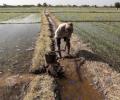
Bharat Krishak Samaj demanded that the Pradhan Mantri Fasal Bima Yojana should be replaced with a new crop insurance and compensation scheme.
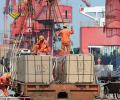
Import segments which recorded negative growth include gold, silver, transport equipment, coal, fertiliser, machinery and machine tools. However, exports of oil seeds, coffee, rice, tobacco, spices, pharma, and chemicals reported positive growth in June.

The eight core sector industries have a weight of 37.9 per cent in the overall Index of Industrial Production.

To mark the first anniversary of the Sterlite firing anniversary -- 13 people died and several were injured when the Tamil Nadu police fired on a large crowd protesting -- various organisations will hold rallies and meetings in the port city.

The protests brought home the fact that the Sri Lankan public is in no mood for halfway measures, as voices against Rajapaksa 'family rule' and 'securitisation' of the civilian administration began sidestepping the more critical economic crisis, affecting the nation and afflicting the individual, observes Sri Lanka watcher N Sathiya Moorthy.

Steel, cement, aluminum, fertilisers, tractors, two-wheelers, beverages and carbonated drinks, tyres and FMCG could see demand back to near normal levels by the third or the fourth quarter of the financial year, or even earlier.

"Within the broader index of industrial production, manufacturing has the largest of the weight. Having fallen off the cliff by 40.7 per cent during the April-June quarter, it is likely to witness a rebound when July IIP data is released. However, turnaround to positive growth trajectory could be some time away," Assocham said.

IFFCO beat competition from among the 523 cooperatives from 30 counties that were surveyed for the agriculture and food industries sector.

Infra segment, refinery product impacted the most, even as contraction narrows in latest month.

The growth rate in September was highest since May when it was 4.4%.

Ajit Balakrishnan on learning from past technology revolutions.

Reliance from 0600 hours today began complying with an oil ministry order asking it to first supply gas produced from eastern offshore KG-D6 fields to priority users -- urea making fertiliser plants, electricity generation houses, LPG extraction units and city gas distribution firms.

Private participation remains lacklustre.

Reading books will make you curious, build your imagination and nourish your brain into an organic super power.
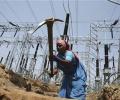
Coal and steel were only two sectors that saw some growth.

'Aquaponics can effectively cushion the impact of a calamity like COVID.'

A slew of concessions, including for carriage of foodgrains, kerosene and fertiliser, were announced by Railway Minister Mamata Banerjee in the Railway Budget 2010-11. Cancer patients travelling for treatment would get 100 per cent concession in third AC and sleeper classes.
Barely a week before the Union Budget for 2010-11, the United Progressive Alliance government on Thursday raised urea prices 10 percent.

India's annual infrastructure output growth slowed to a three-month low of 2.4 percent in Decembe
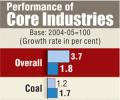
It hit more than a year's low of 1.8 per cent.

India's wheat exports could touch a new record of 10 million tonnes in 2022-23, up from a record seven million tonnes in the current financial year, if global market conditions remain choppy and no curbs are imposed on outbound shipments. That is the bullish estimate by officials from global trading firms and market watchers who say the Russia-Ukraine crisis has not only attracted global buyers to India but also pushed the price of Indian wheat from around $320 per tonne (FOB) to over $360 per tonne in less than 10 days. Food secretary Sudhanshu Pandey told reporters that wheat exports till February-end have already reached 6.6 million tonnes and by the end of March, outbound shipments will reach seven million tonnes.
The core industries, which also include coal, natural gas, refinery products and crude oil, having a weight of about 38 per cent in the Index of Industrial Production, grew at 3.7 per cent January this year.

The department of investment and public asset management is scouting for investment bankers and legal advisors to carry forward the transactions.

If the central banks act harshly now, the markets will crash and then rally. If they are hesitant, the pain will be prolonged, predicts Debashis Basu.

India must be prepared for a big, fat fuel import bill in FY23 - barring any further avatars of the Covid virus - as refiners crank up runs, or crude processing rates, to meet the growing demand for fuels, and crude prices soar. Capacity additions by an Indian state-run refiner will reinforce the need for foreign crude. Demand for all fuels is expected to increase by 3-8 per cent next fiscal from 2021-22, reaching pre-pandemic levels, according to analysts and industry experts.

While she primed up spending on infrastructure to create jobs and boost economic activity, Sitharaman did not tinker with income tax slabs or tax rates. Her Budget for the fiscal year beginning April 2022 proposed a massive 35 per cent jump in capital expenditure to Rs 7.5 lakh crore, coupled with rationalisation of customs duty, an extension of time for setting up new manufacturing companies and plans for starting a digital currency and tax crypto assets.
The core industries that also include coal, electricity, cement, petroleum refinery products and finished steel, and carry 37.9 per cent weight in the Index of Industrial Production, had grown by 5.8 per cent in May last year.
The finance ministry on Wednesday reimposed expenditure curbs on ministries and government departments for July-September quarter. There will be no spending restrictions on the ministries of health, rural development, agriculture, MSME (micro, small and medium enterprises) and railways as part of a two-pronged strategy. "The existing guidelines for expenditure control have been reviewed. "Keeping in view the evolving situation arising out of Covid-19 and anticipated cash position of the government, it is felt essential to regulate Quarterly Expenditure Plan (QEP)/Monthly Expenditure Plan (MEP) of specific ministries/departments for July-September, 2021," the Department of Economic Affairs in the finance ministry said in a notification.
In a new twist to the gas dispute between Ambani brothers, the fertiliser ministry on Monday said private family agreements cannot over-ride national priorities.

Had Finance Minister Sitharaman thought a little more about the middle class, disadvantaged sections, and the poor who are struggling, it would have been an inclusive Budget that would have made history, notes Ramesh Menon.